REAL SOUND
Conference
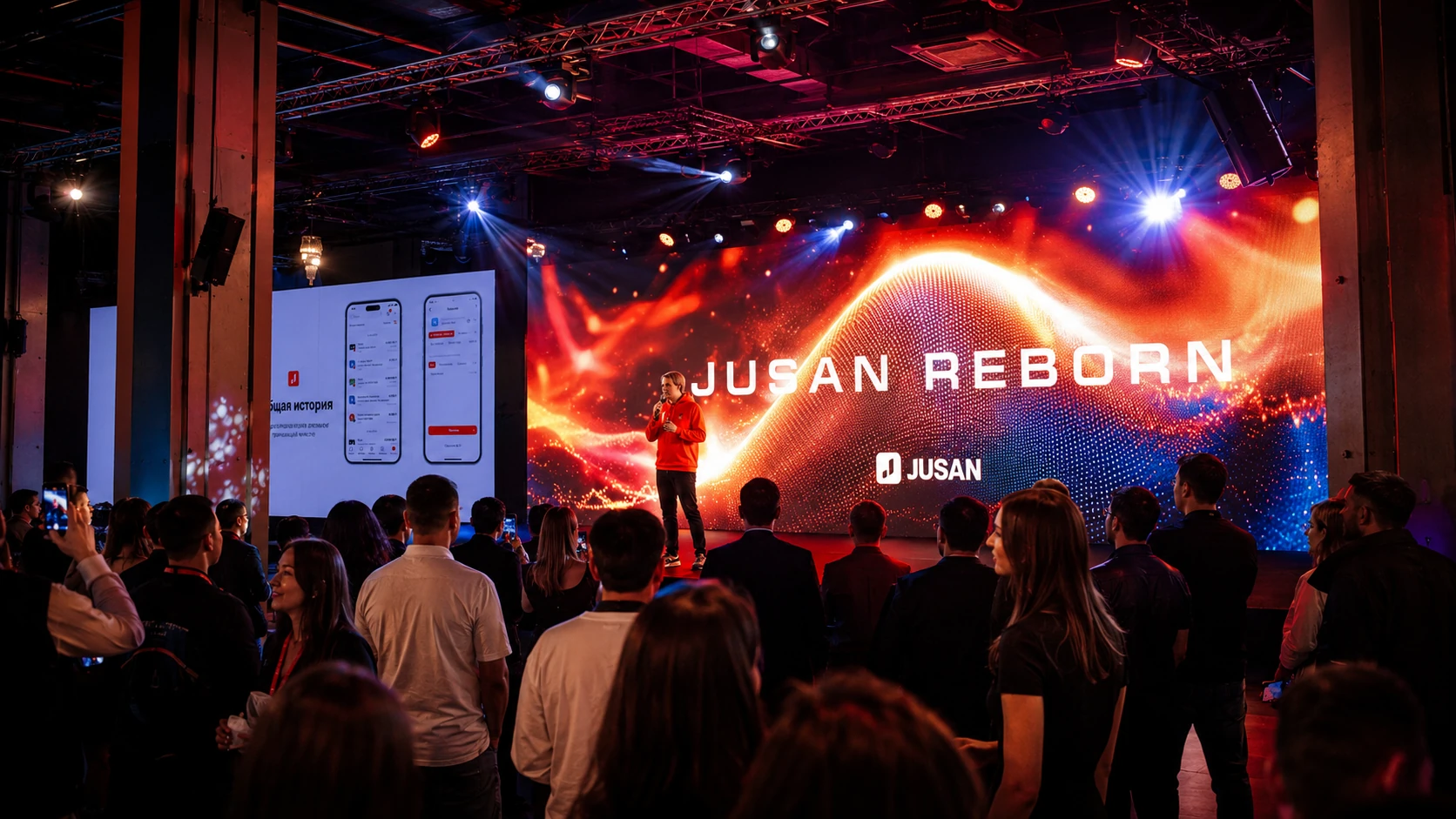
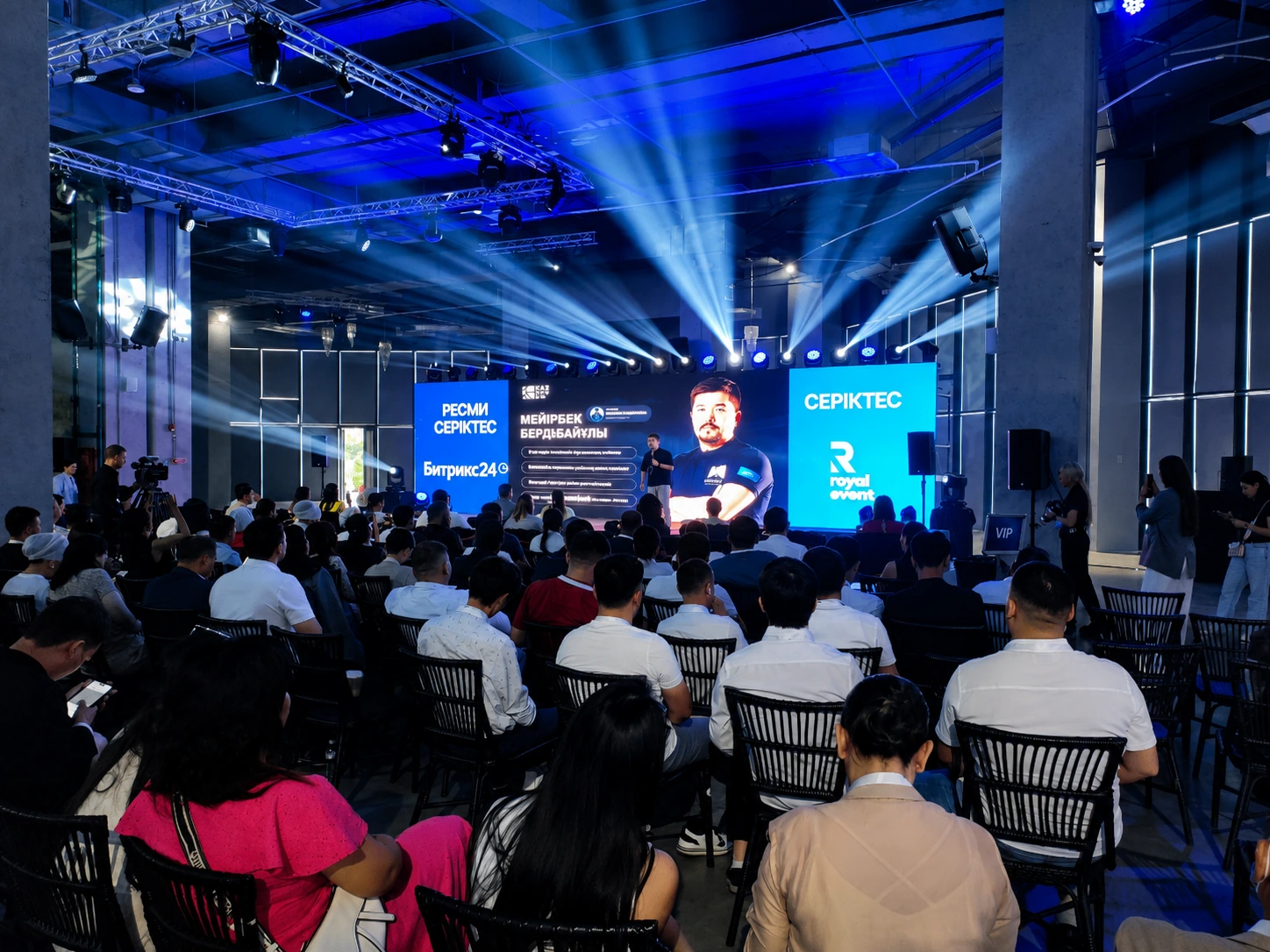
Keynotes, presentations, panels, audience Q&A and program recording.
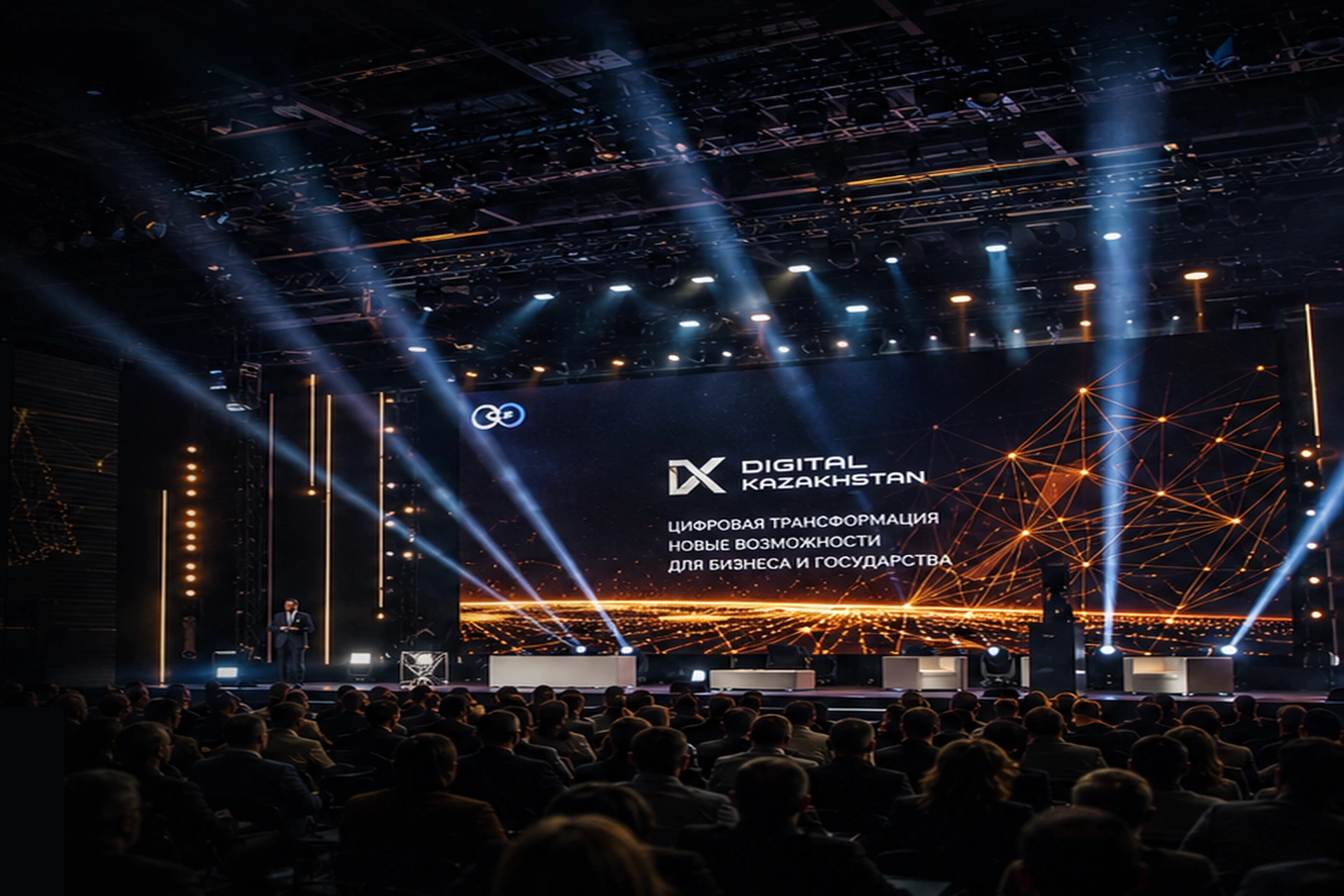
One technical team takes responsibility for the stage, audio, screens, microphones, interpretation, cameras, content and precise program flow.
We design the conference as one system — from delegate registration and the plenary room to breakout sessions, hybrid speakers and final recordings.
Technical architecture depends on more than guest count. We account for the agenda, seating, languages, parallel tracks, remote speakers and venue requirements.
Keynotes, presentations, panels, audience Q&A and program recording.
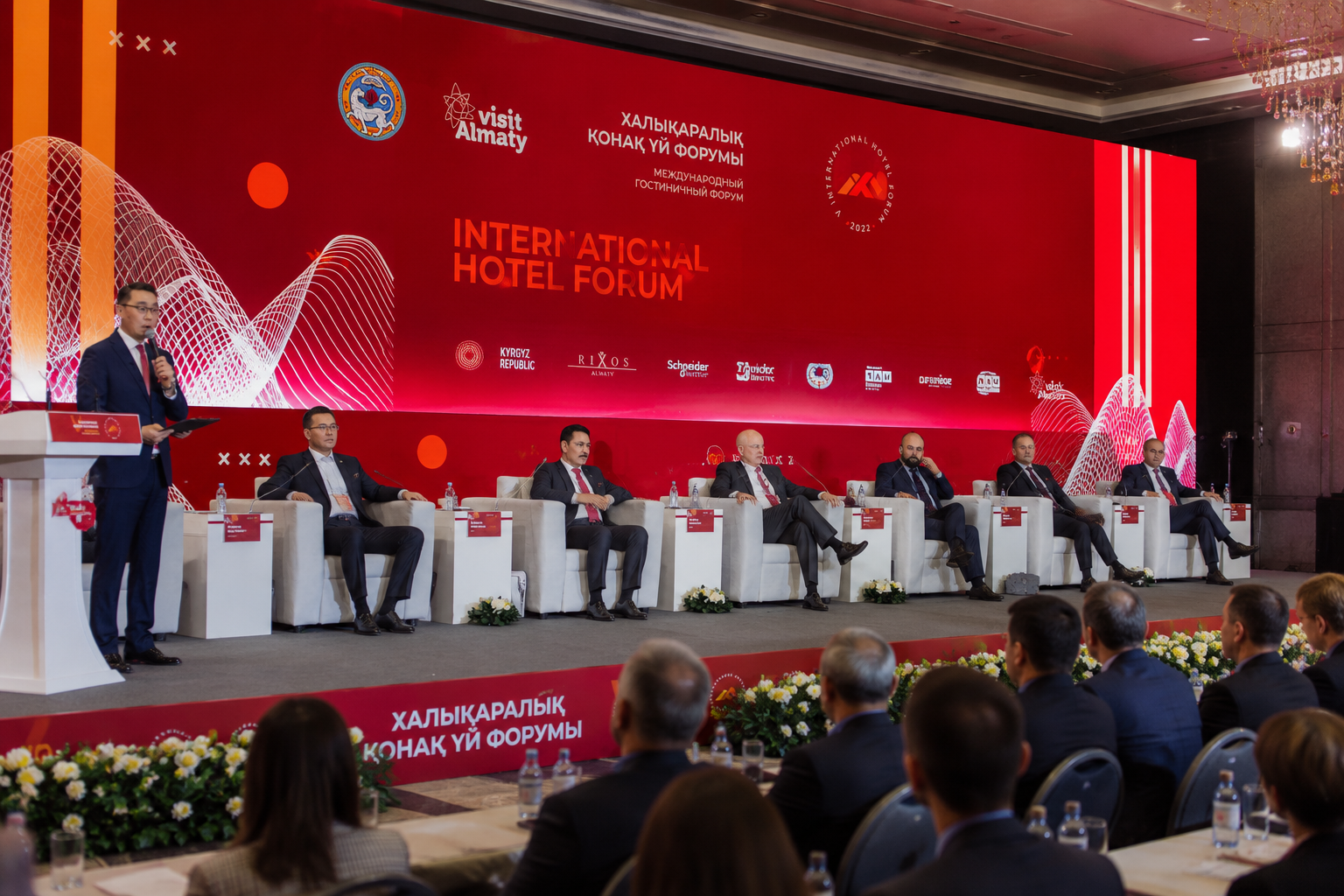
Large audience, multiple stage formats, branded content and a dense cue list.
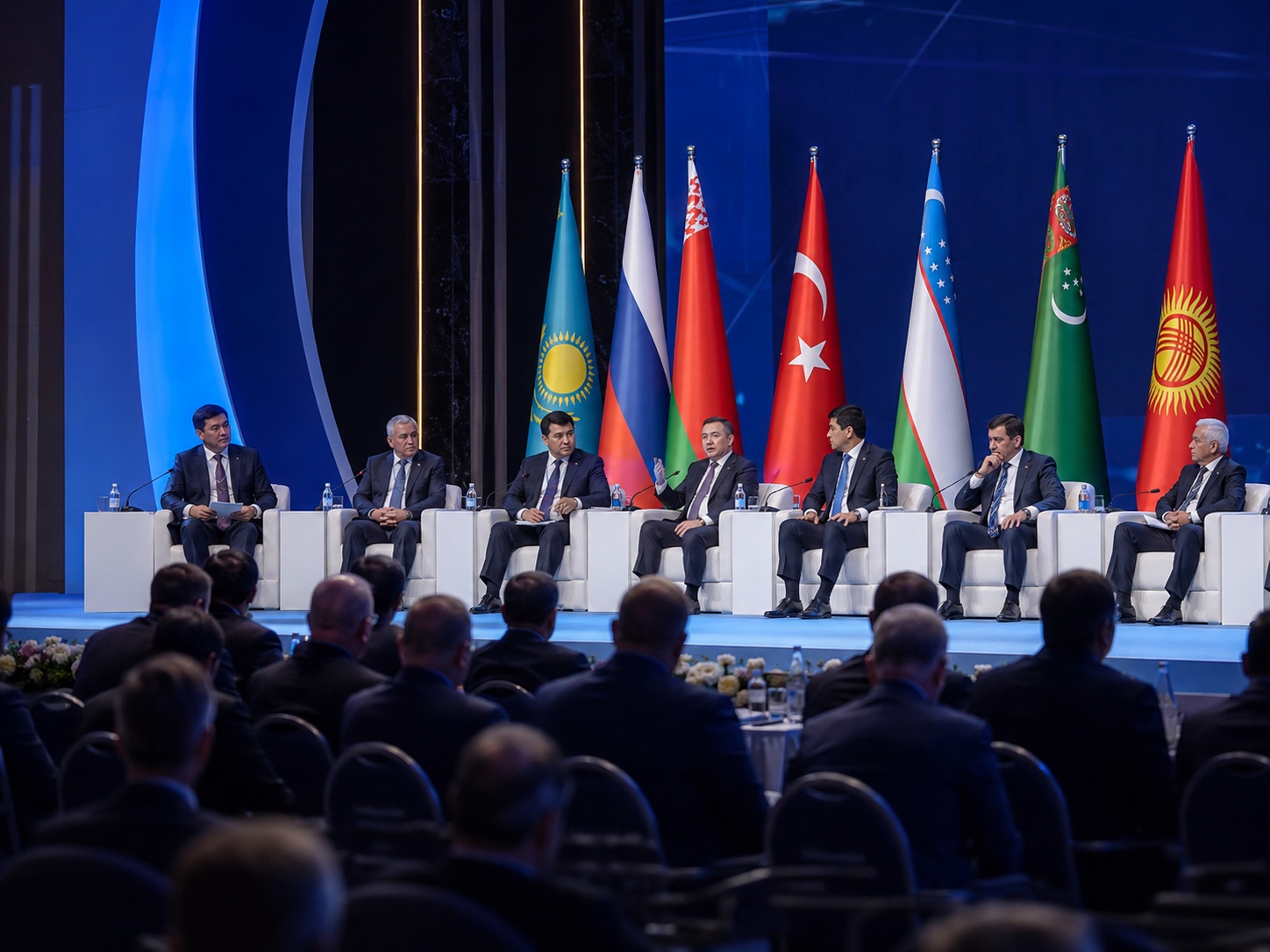
Multiple rooms, interpretation, registration, signage and one control centre.
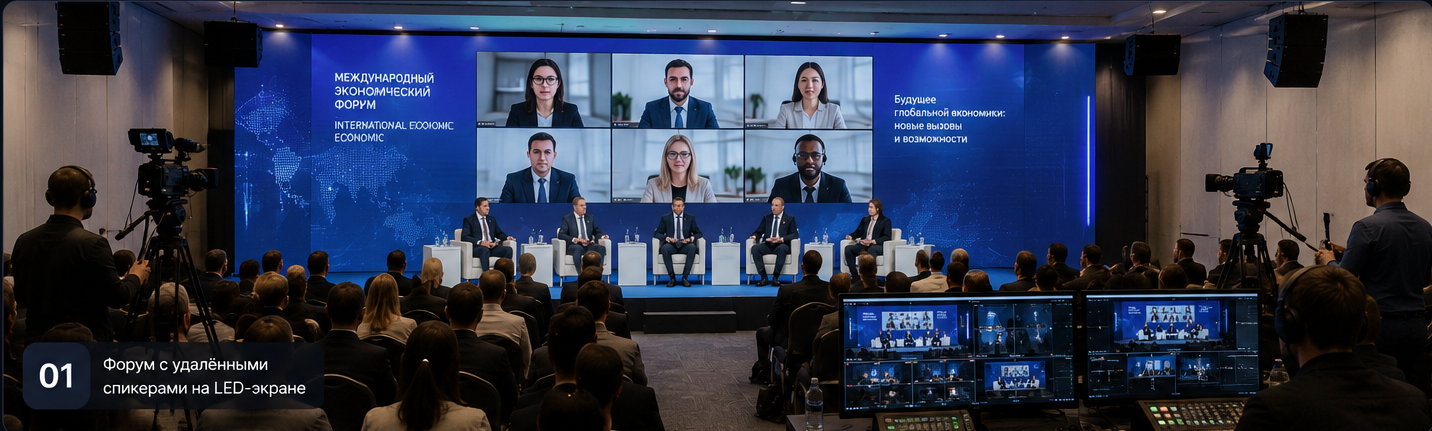
Remote speakers, cameras, streaming, recording and two-way communication.
We do not simply stack equipment items. We map the delegate journey, signal flow and agenda first, then build the system and crew.
LED or projection, stage, confidence monitors, timers and service displays.
Consistent coverage, wireless systems, delegate units, Q&A and isolated recording.
Presentation preflight, video switching, cue list, playback and backup source.
Booths, interpreter consoles, language channels, receivers and issue logistics.
PTZ and operated cameras, remote speakers, platforms, recording and live stream.
Desks, screens, signage, delegate flows and queue operations.
A package is the initial architecture. The final build is based on the agenda, venue and event-criticality level.
For a business conference or corporate session in one room.
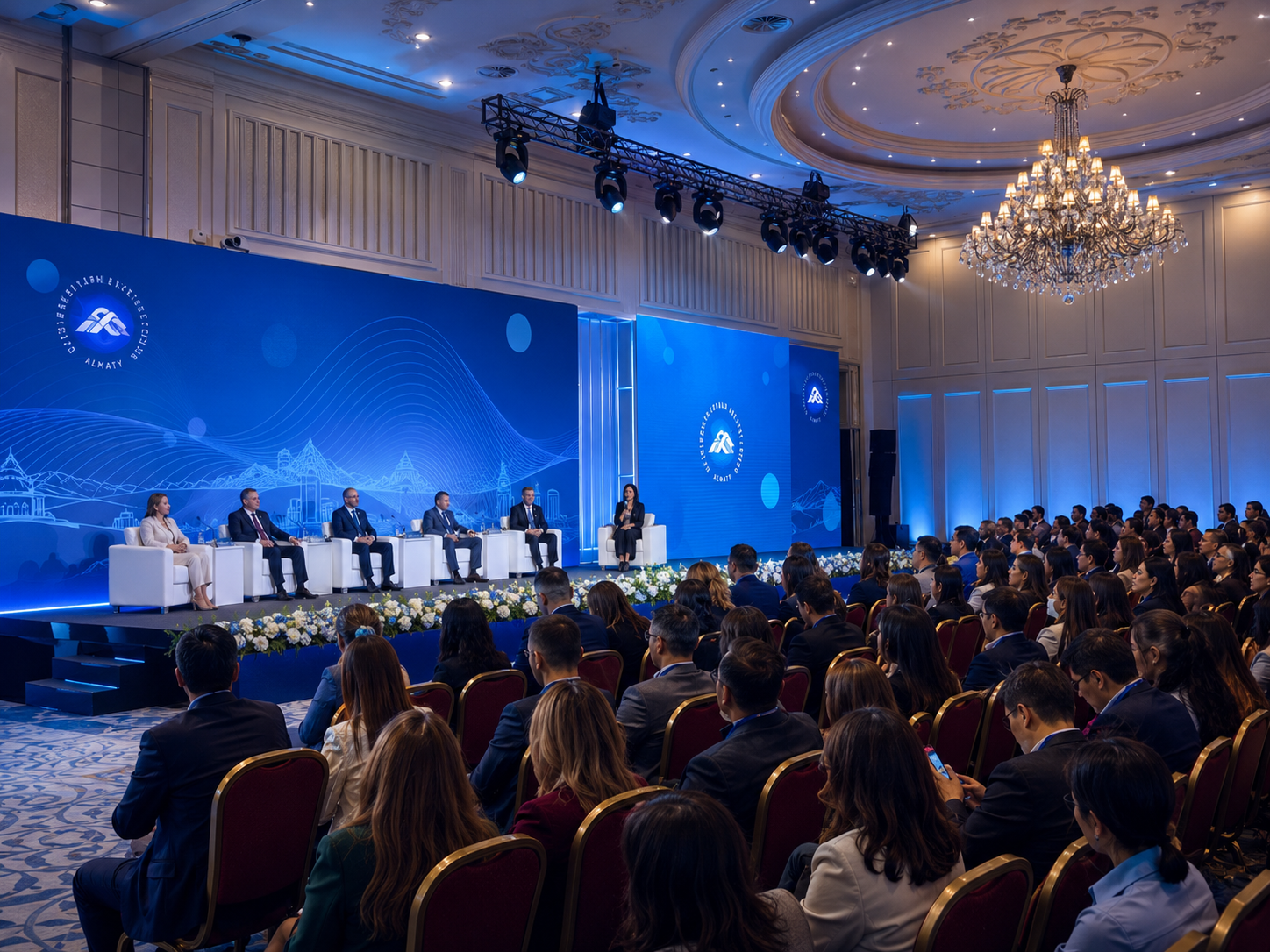
For a forum with panels, Q&A, cameras and a dense agenda.
For an international, multi-room or hybrid event.
Build a preliminary technical architecture. The planner shows the system, crew, install window and critical open questions.
Check whether the agenda fits the timetable, registration can handle the arrival wave and how many operating points the venue needs.
Build one operating path for speakers, presentations, video, remote connections and stage cues — from first contact to the live session.
Before load-in, the team receives one working document set connecting the agency, venue, speakers and technical departments.
Stage, screens, FOH, booths, cameras, registration and cable routes.
Sources, switching, screens, audio, recording, stream and backup routes.
Precise order of speakers, presentations, videos, microphones and transitions.
Risks, owners, spare devices and failover order.
Projects where stage, audio, visual and operations were managed as one production.
Every stage ends with a verifiable output — a drawing, approval, rehearsal or control checklist.
Agenda, audience, venue, languages, streaming and event goals.
Plans, signal flows, equipment, crew, timings and backup.
Content, riders, remote speakers and language channels.
Build, patching, labelling and initial testing.
Run of show, microphones, video, interpretation and failover scenarios.
Operation, recording, load-out and final media handover.
The final design depends on the agenda and venue, but core operational questions can be answered early.
Typically stage, screens, audio, microphones, lighting, playback, video switching, cameras, recording, and when required interpretation, streaming, registration and a technical crew.
One team designs signal routes, timing, operator interaction, redundancy and takes responsibility for the integrated outcome.
For several systems, a dense agenda, parallel rooms, interpretation, streaming or a large number of external suppliers.
Set a content-freeze deadline, collect files, videos, fonts and the speaking order, then run a preflight on primary and backup playback.
Yes. Each room gets its own system and operator while a central team synchronizes timing, recording, interpretation and escalation.
Yes. We run a dedicated technical check, configure return video and audio, a backup communication channel, and route the speaker to the room and stream.
We define language pairs, booths, consoles, channels, receiver quantity, issue logistics, recording and stream integration.
A single-room conference may take several hours. A forum, congress or hybrid event often needs a separate build day and full rehearsal.
It depends on rooms, audience, screens, microphones, cameras, languages, duration, crew, install window, logistics and redundancy.
Date, venue, room plans, delegate count, agenda, speaker list, languages, recording or streaming requirements and available load-in time.
A single content desk collects contacts and files, preflights presentations and video, schedules remote checks, locks the cue list and controls file versions through the end of the event.
Send the core parameters. We will clarify the agenda and venue, then prepare the system, crew and production plan.